Commencement 2026

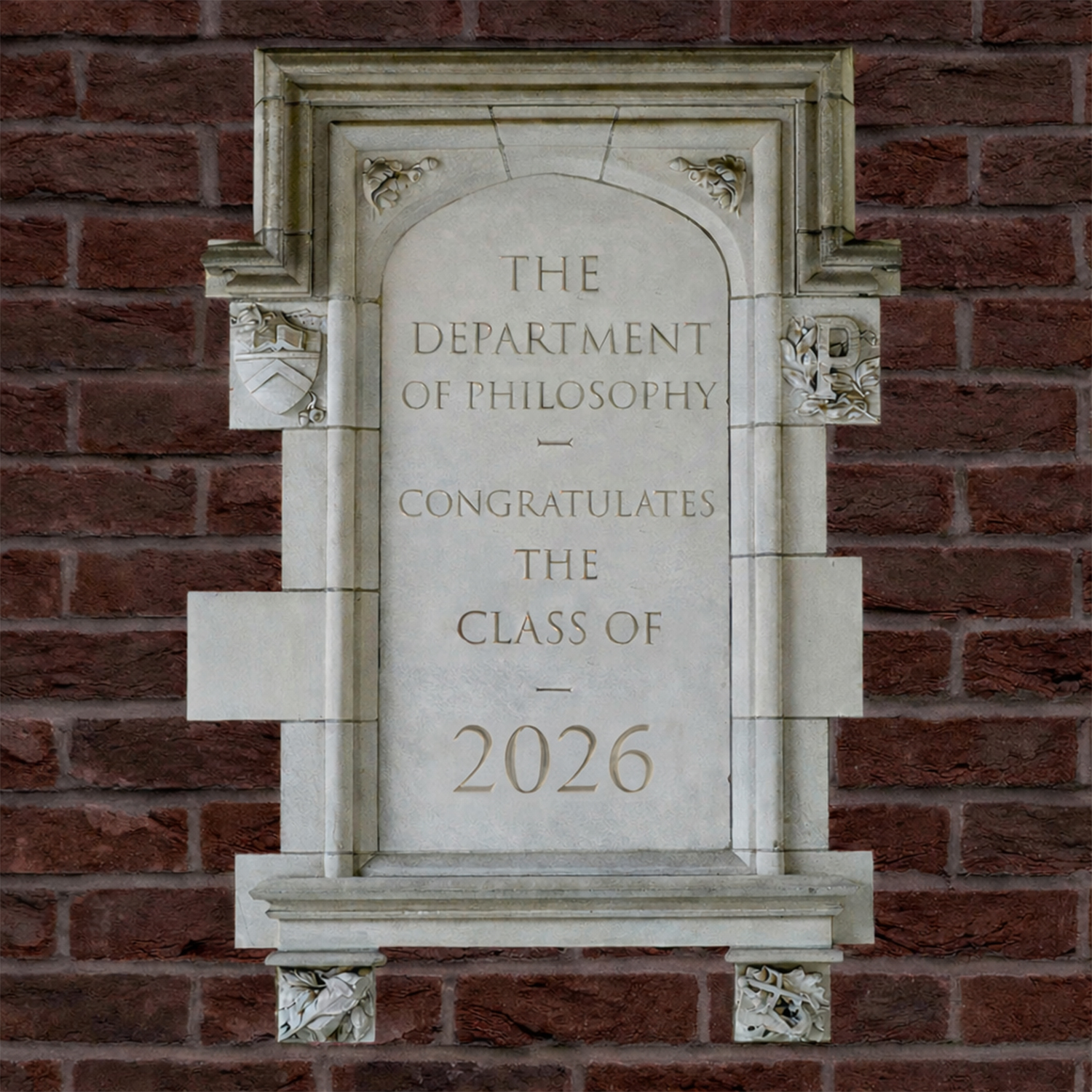
The Department of Philosophy congratulates the Class of 2026 =

A Look Back at the Great Class of 2026

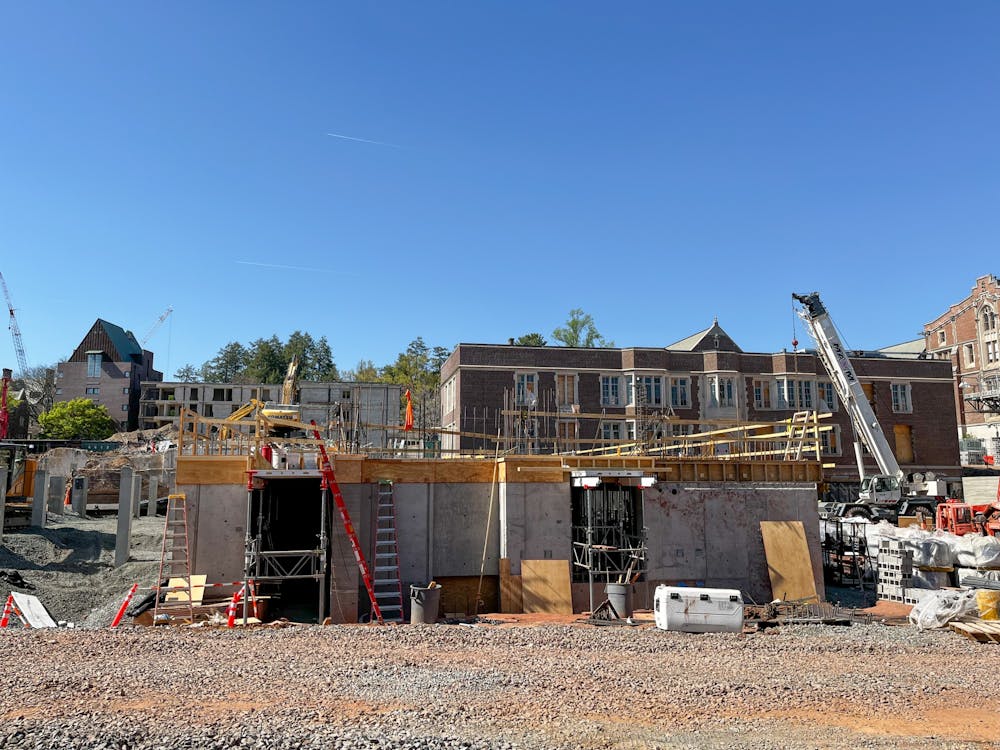
The Class of 2026, Princeton’s largest ever, has experienced a Princeton in turmoil. They began their time at Princeton as the first class to experience an outdoor Opening Exercises; they crashed TigerHub; they led Princeton to its first men’s Sweet 16 since 1967; they watched — and organized — an encampment in solidarity with Palestine; they experienced the impact of federal funding cuts and University budget cuts on student life, research, and employment; and they saw dramatic expansions of the University’s financial aid and facilities.

Upon admission, based on the Class of 2026 Frosh Survey, students came from 48 U.S. states and territories and five continents. 49.9 percent identified as women, 15.7 percent as first-generation, and one in four as LGBTQ+. A majority of the class entered Princeton proficient in a language other than English. A majority also identified as persons of color.

The Class of 2026 leaves behind a Princeton that they both experienced and shaped. In Princeton’s ongoing creation and re-creation, the legacy of the Class of 2026 will be its passion and resolve in the face of change. To the Great Class of 2026: Congratulations!

Year One

Freshman Year.

The Class of 2026’s first year at Princeton began in a heat wave. Many students assigned to live in New College West and Yeh College were left temporarily in the vestiges of First College. The University distributed more than 600 fans to students to beat back the heavy September heat that had welcomed Princeton’s largest class in its history.

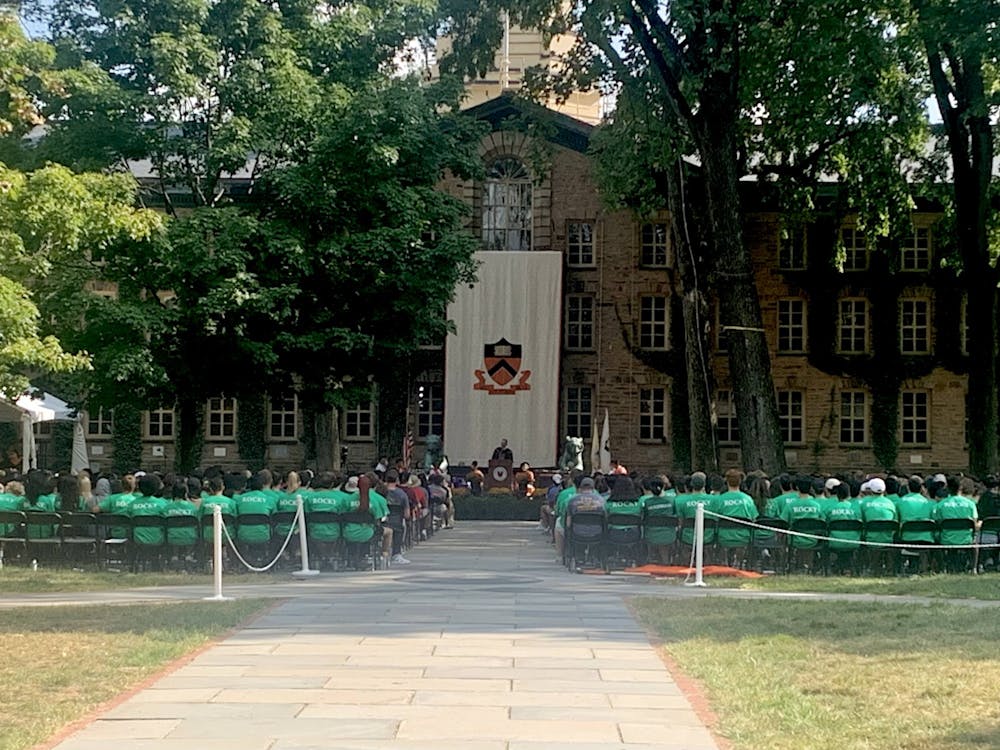
1,500 students strong, the class was the first to experience outdoor Opening Exercises, breaking a longstanding tradition of holding the event in the University Chapel. They listened to the advice of University President Christopher Eisgruber ‘83 to “be fully present in this special and marvelous place.”

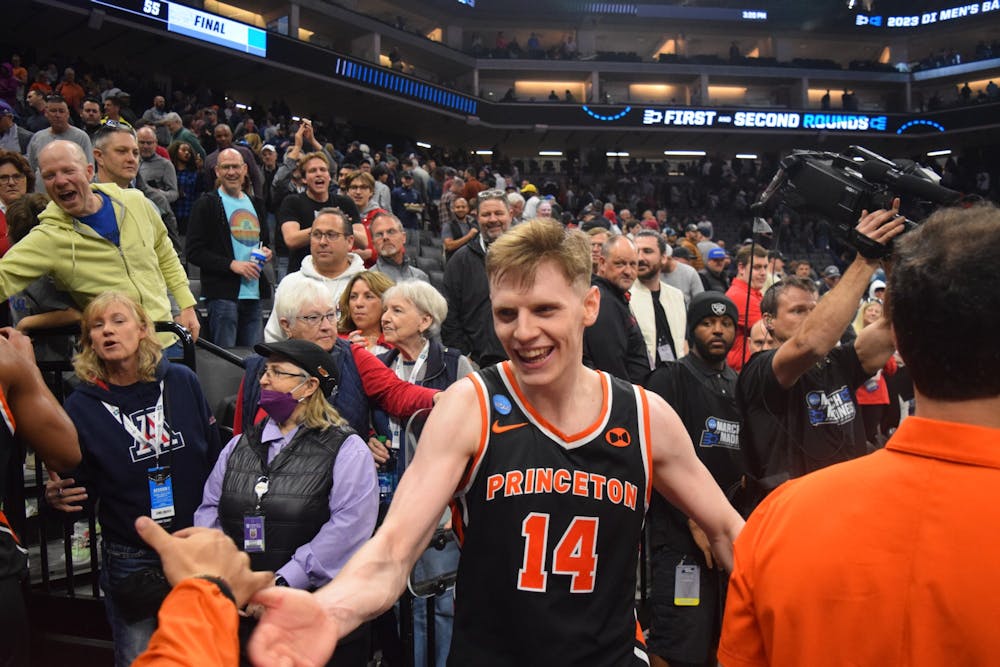
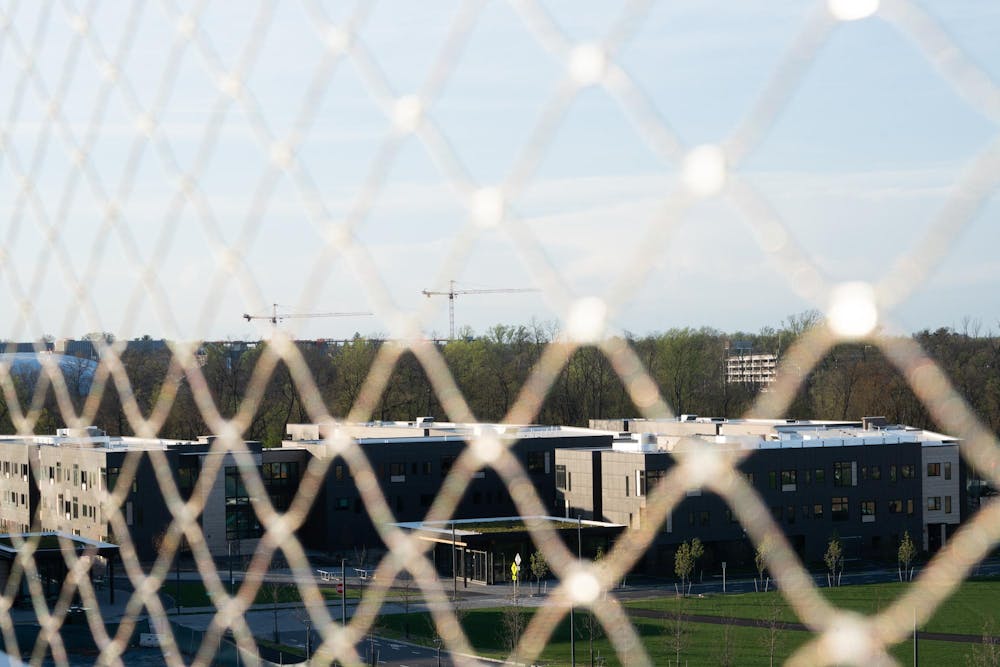
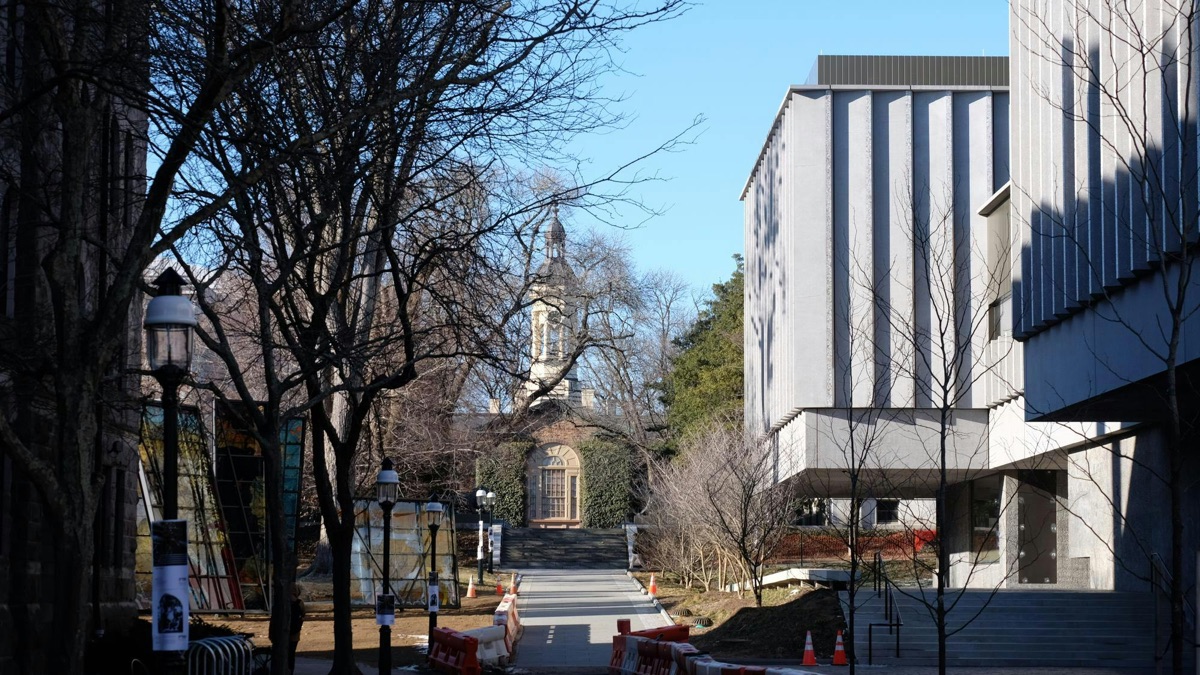
At Princeton, the Class of 2026 would learn a new language to communicate their new reality — words like “RCA,” “res college,” “the Street,” “eating club,” and “zee group.” The Princeton endowment generated a loss, its first since the 2008 recession, a foreboding sign of financial turmoil to come. For the first time in 27 years, Princeton men’s basketball won an NCAA tournament game, then advanced to the Sweet 16. South campus grew up with the Class of 2026, resulting in the closure of Poe Field for “more than a year.” By the end of their first year, when students tried to enroll in courses for their sophomore fall, TigerHub crashed. And so it goes.
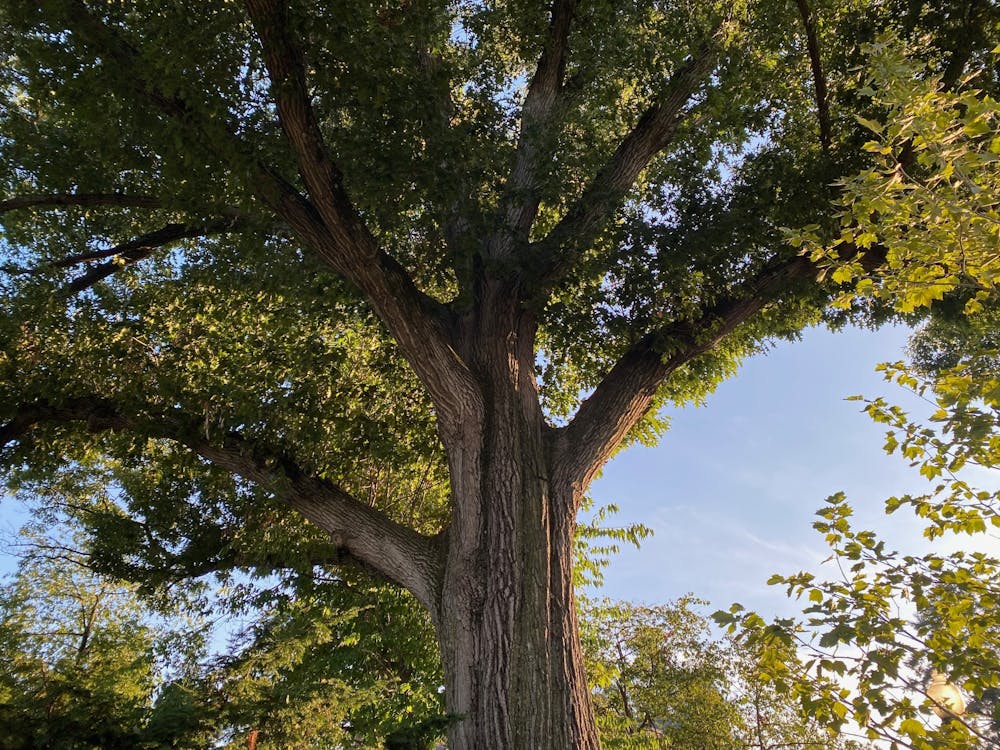
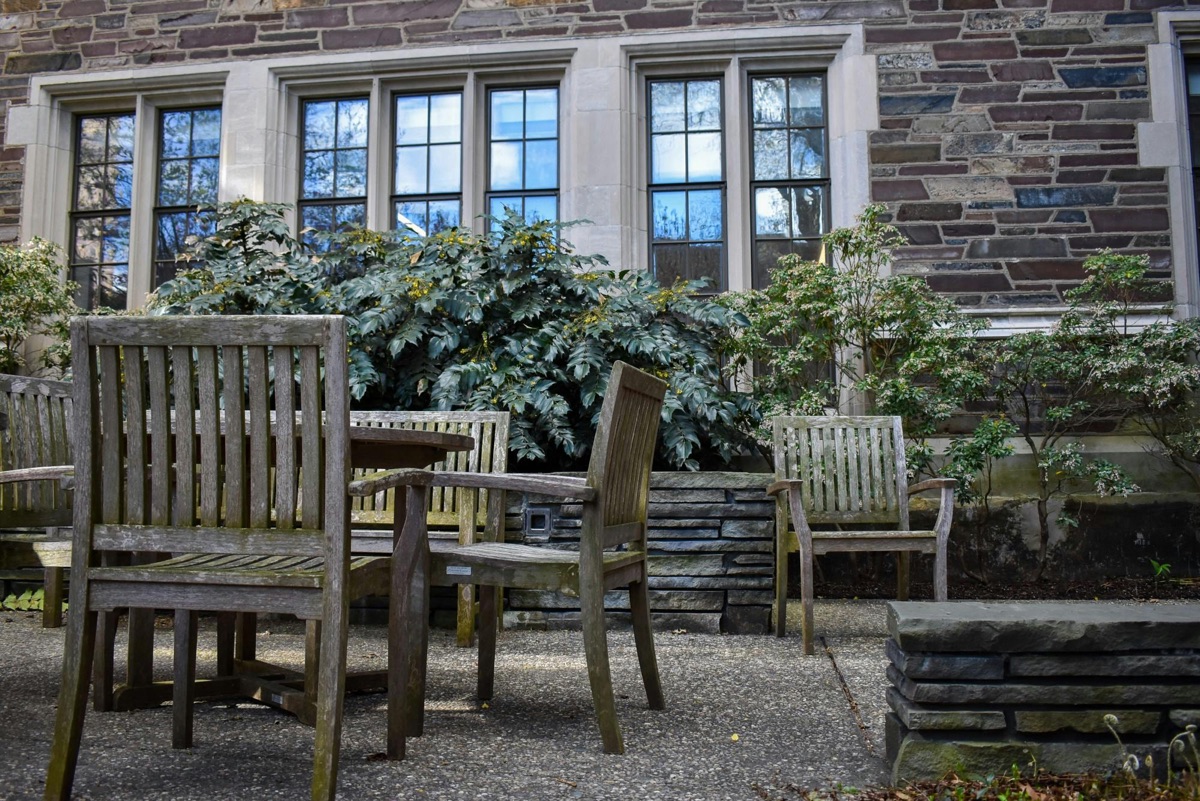
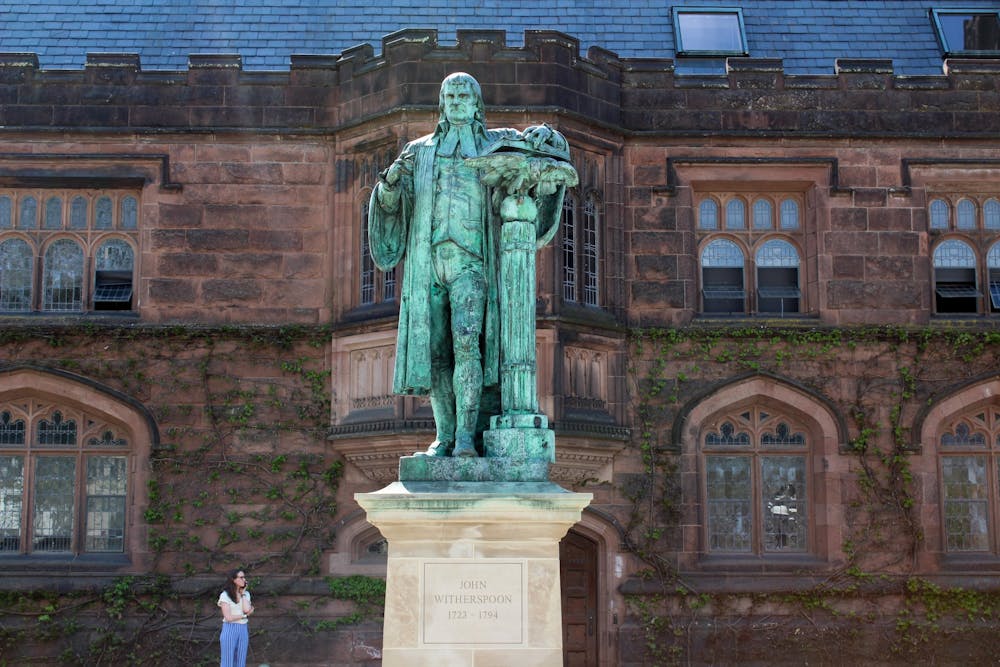
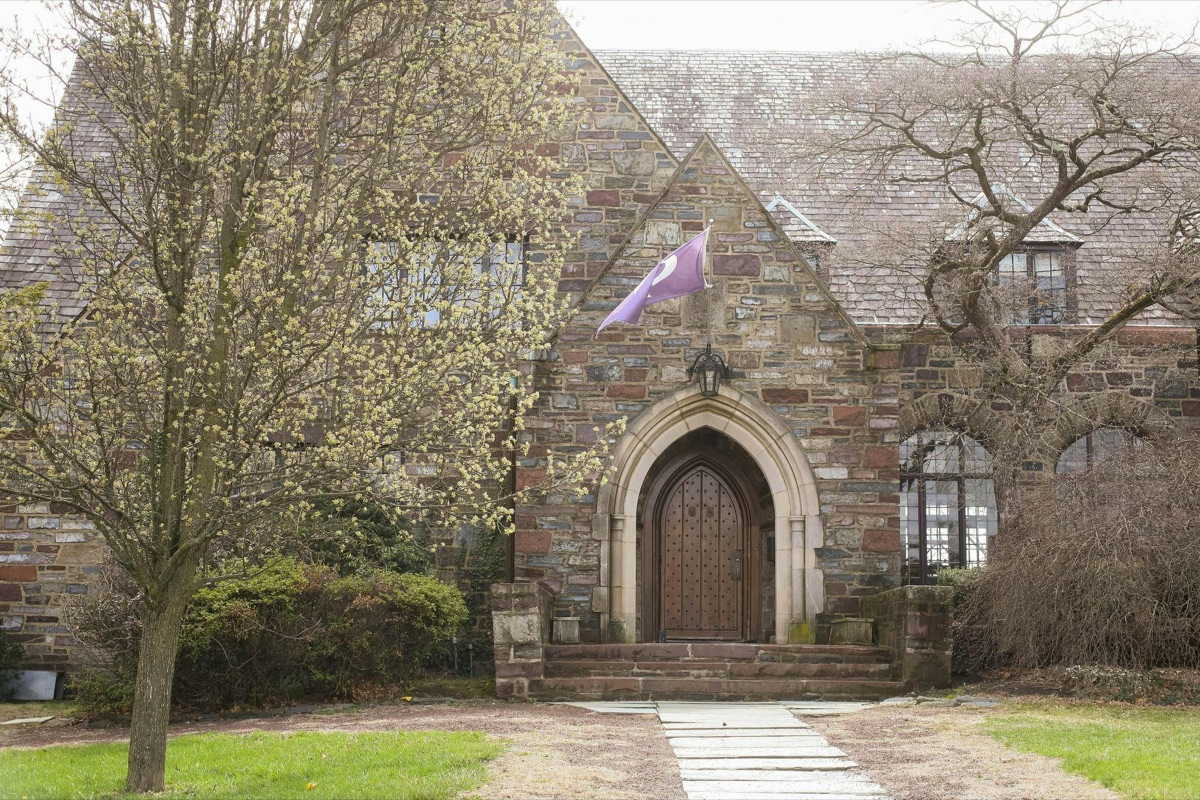
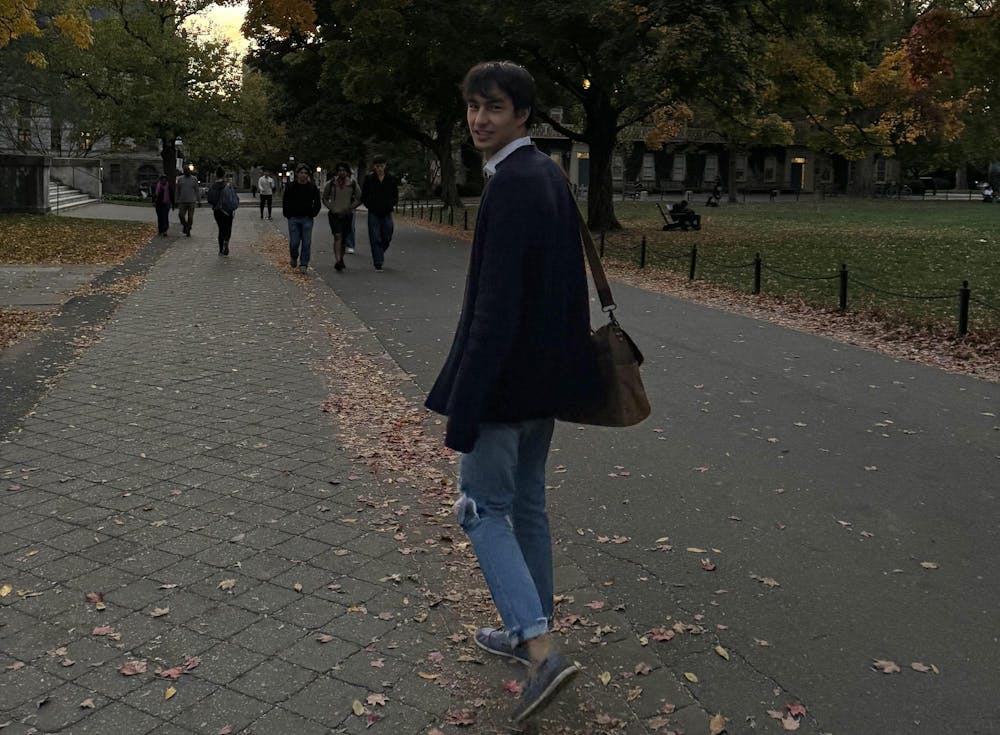
One tree over a changing campus
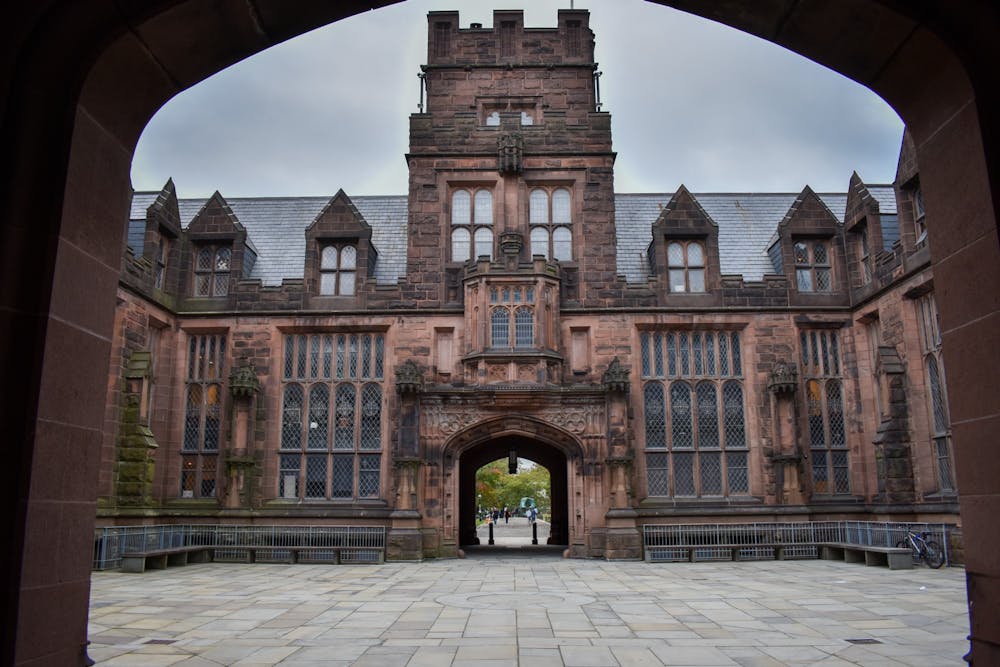
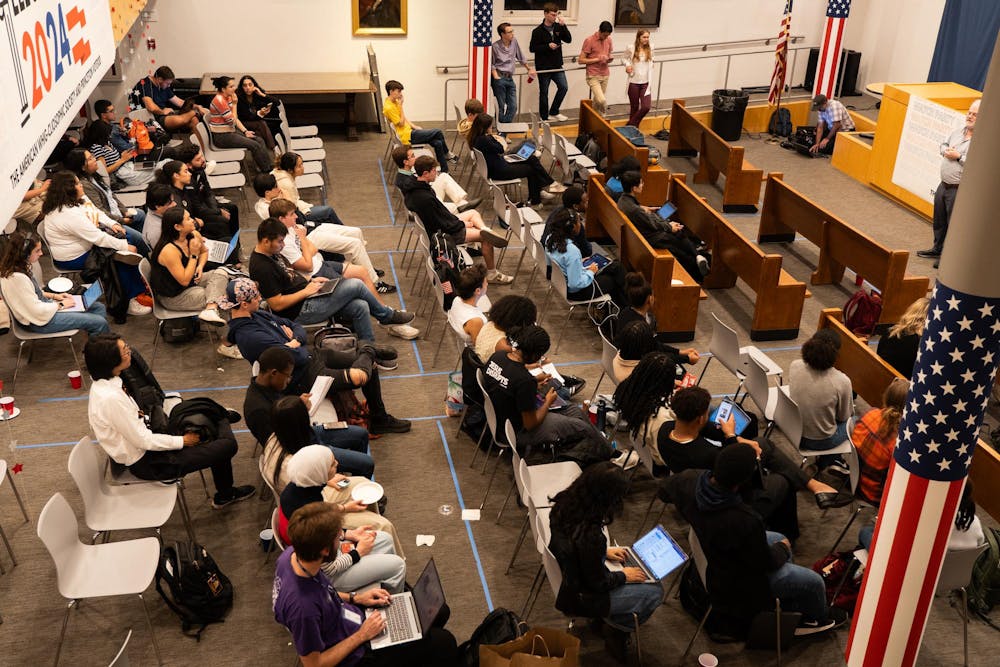
Opening Exercises 2022
Princeton NCAA Tournament 2023
Adopting a new language
TigerHub crash

Year Two

Sophomore Year.

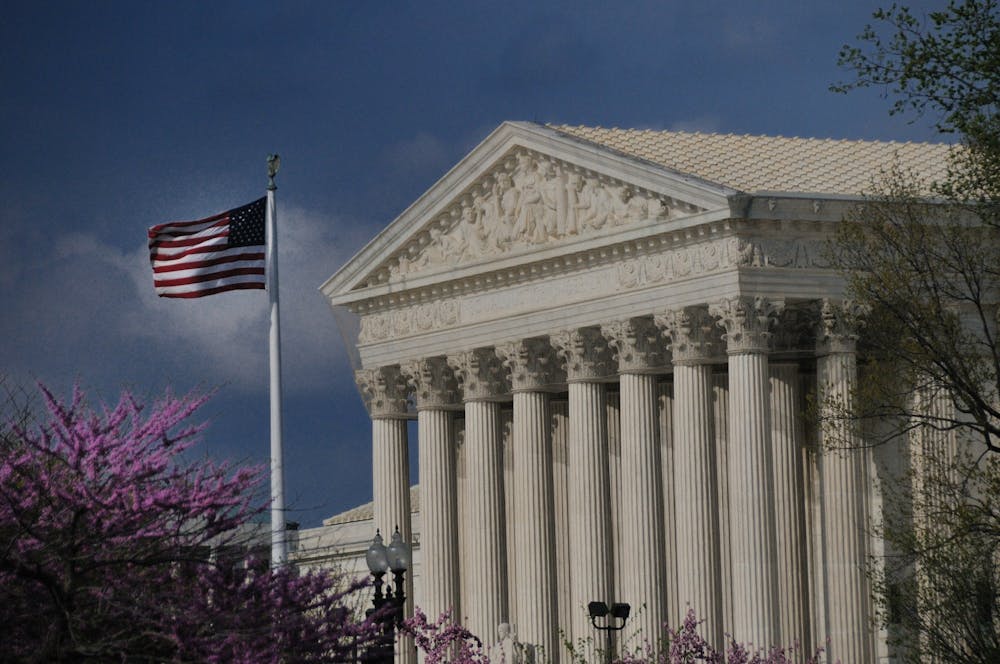
Before the Class of 2026 returned to campus for their sophomore year, the U.S. Supreme Court struck down affirmative action, prohibiting the consideration of race in college admissions. The University responded by refocusing on economic diversity, by March setting an aim for 70 percent of students to receive University financial aid and for 22 percent to be eligible to receive Pell Grants from the federal government.

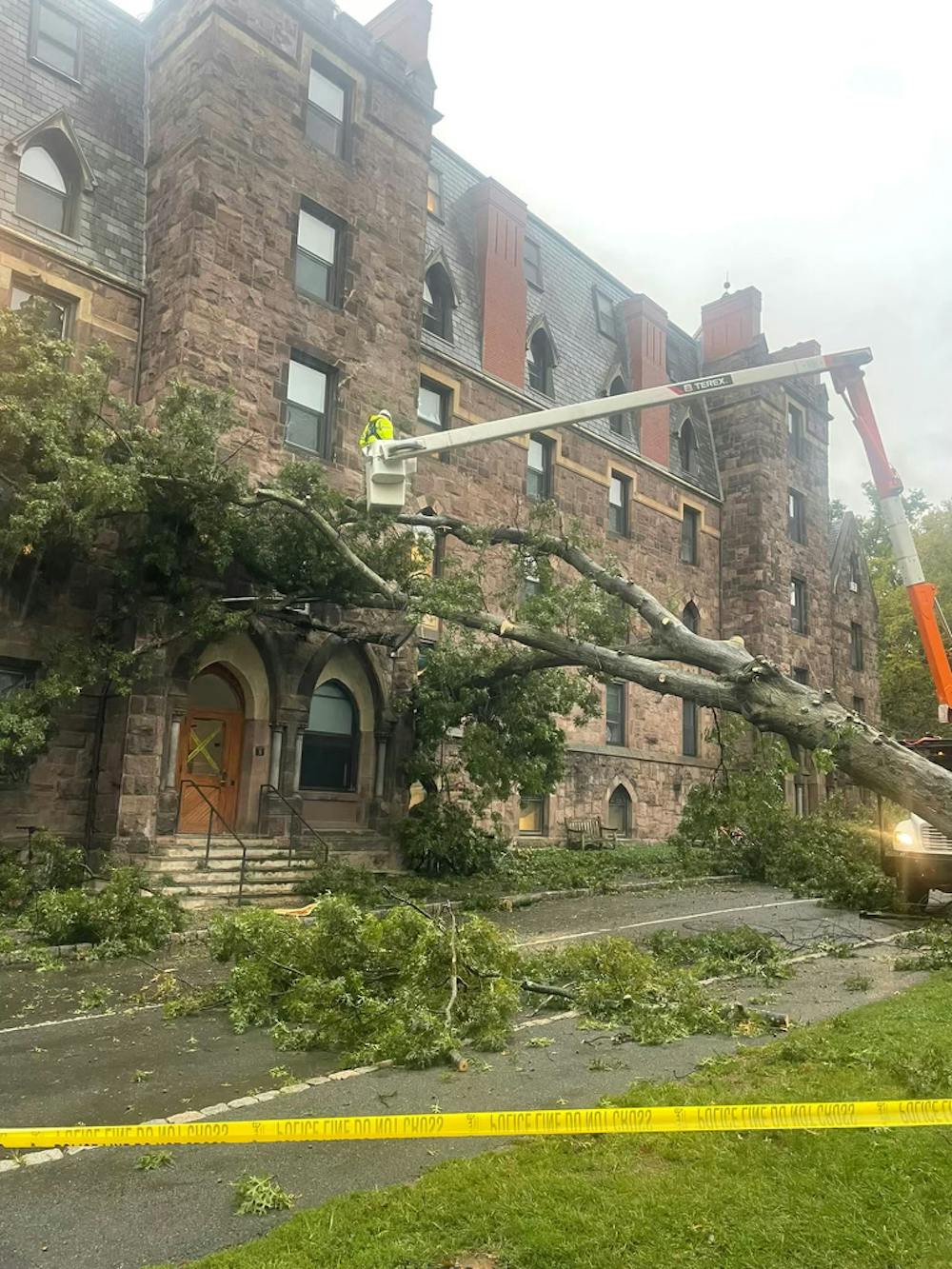
A tree fell and crashed through a window in Edwards Hall. An alumnus, Larry Giberson ‘23, told a court he was “someone in the service of the nation, and in the service of humanity” before being sentenced for his participation in the Jan. 6, 2021 Capitol riot.

The Forbes College dogs, Fonzie and Lionela, continued to bring joy to students. Princeton confiscated 80 scooters in five days after prohibiting them.

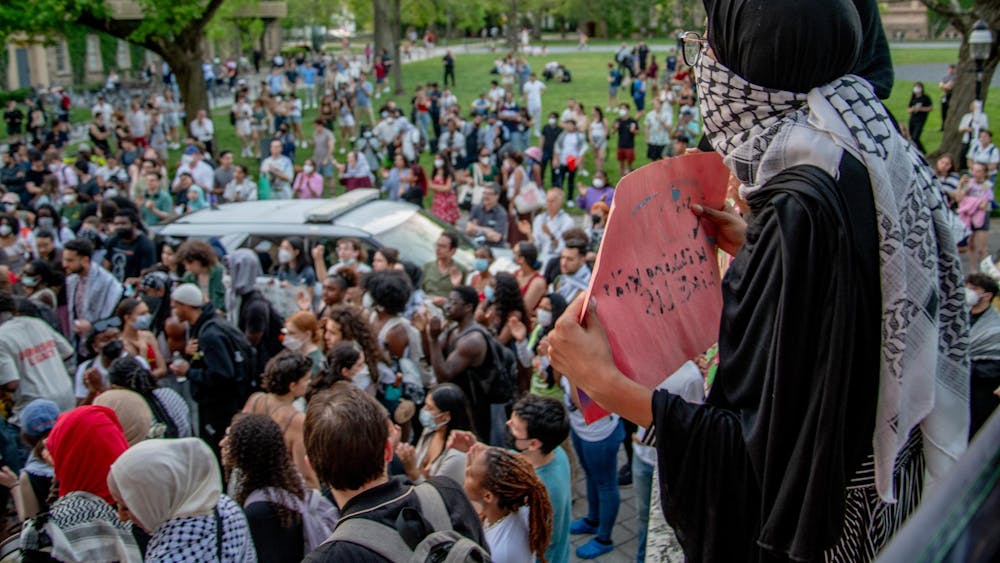
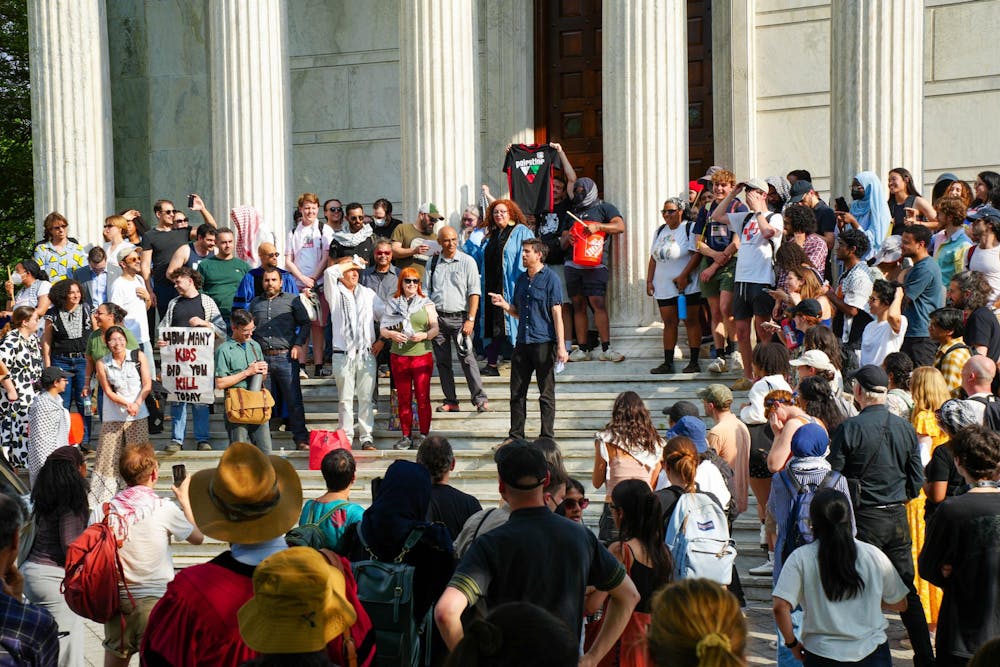
In April, campus protests erupted in solidarity with Palestine, culminating in an encampment, a hunger strike, and a sit-in in Clio Hall. A total of 15 student protesters were arrested during the course of the encampment. The University did not yield to protesters’ demands. By the end of sophomore year, Princeton was more in turmoil than it had ever been for the Class of 2026. There would be no respite from the chaos in the coming fall.

Affirmative Action ruling
Edwards Hall tree
Forbes College dogs
Clio Hall sit-in

Year Three

Junior Year.

The Class of 2026 entered their third year in the midst of increasing political pressure in Washington against universities. In the face of that pressure, President Eisgruber said that Princeton would not consider institutional neutrality, and would instead keep its policy of “institutional restraint.”

A red wave crashed over the United States in the 2024 presidential election, returning Donald Trump to the presidency. Afterward, students reported “despondency and shock.” Trump’s election heralded changes to come for Princeton. The federal government yanked internship offerings in civic service and research before suspending more than $200 million in federal funding for Princeton research. The loss of research funding, about half of which would be restored over the summer, created “a massive vacuum of knowledge, expertise, innovation” that affected undergraduates, graduate students, and faculty researchers alike.

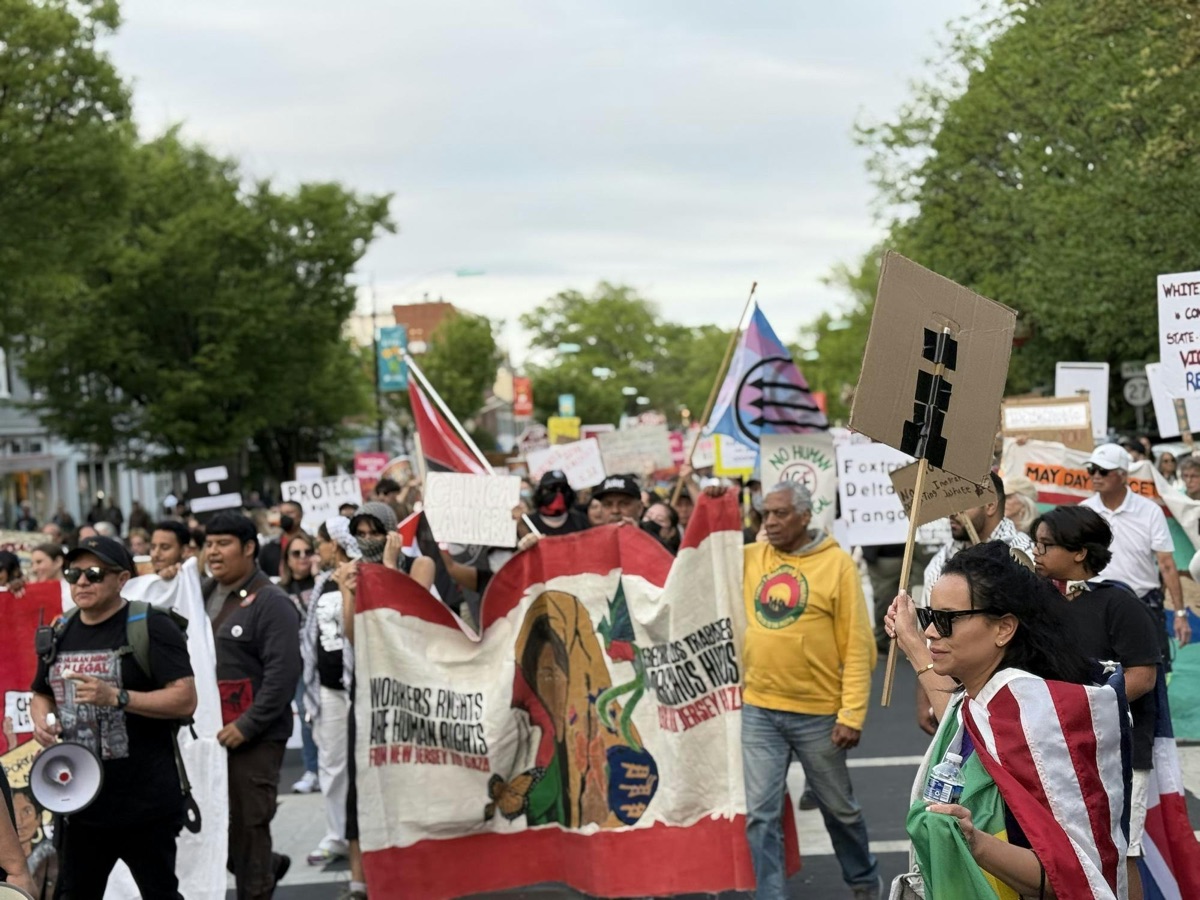
The Princeton community mobilized in solidarity with one another and in opposition to the federal government’s actions. A May Day protest organized by Resistencia en Acción New Jersey drew more than 700 community members, including students. By the end of the year, more budget cuts remained on the horizon. Cloister Inn closed for renovations in June, leaving its members scrambling for a new home just as the Class of 2026 settled in for their final year.

Election red wave reaction
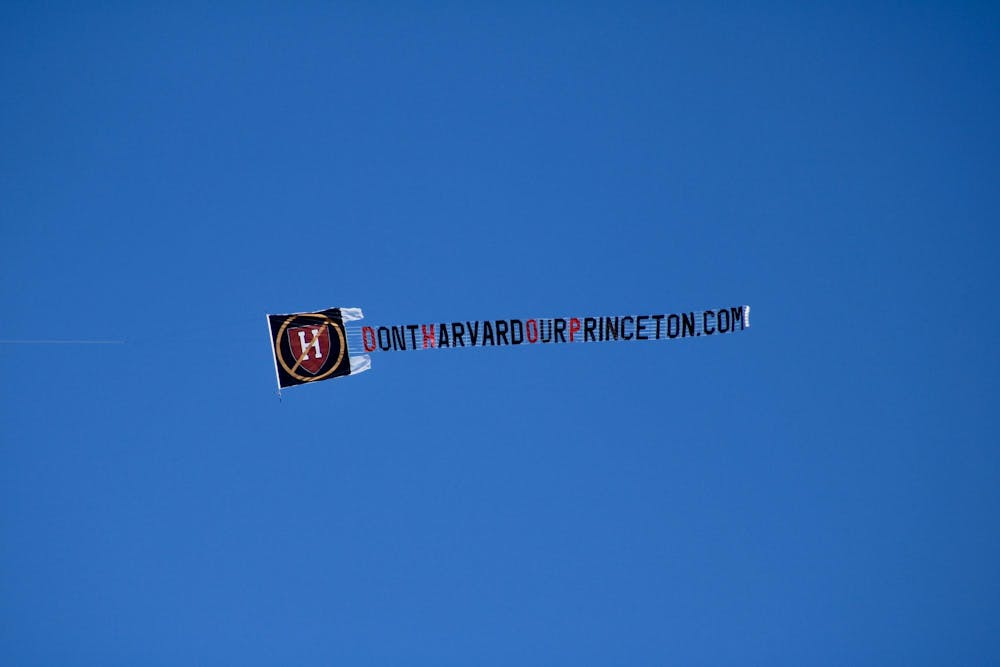
Flood the Princeton canon
May Day protest Princeton
Research funding cuts
Cloister Inn renovation

Year Four

Senior Year.

During the summer, Congress passed H.R. 1, an omnibus reconciliation package. The bill included an 8 percent endowment tax for universities with large endowments and “more than 3,000 tuition-paying students,” and would have been levied against Princeton. The University responded by boosting financial aid instead, reducing the number of tuition-paying students to avoid the tax and save hundreds of millions of dollars.

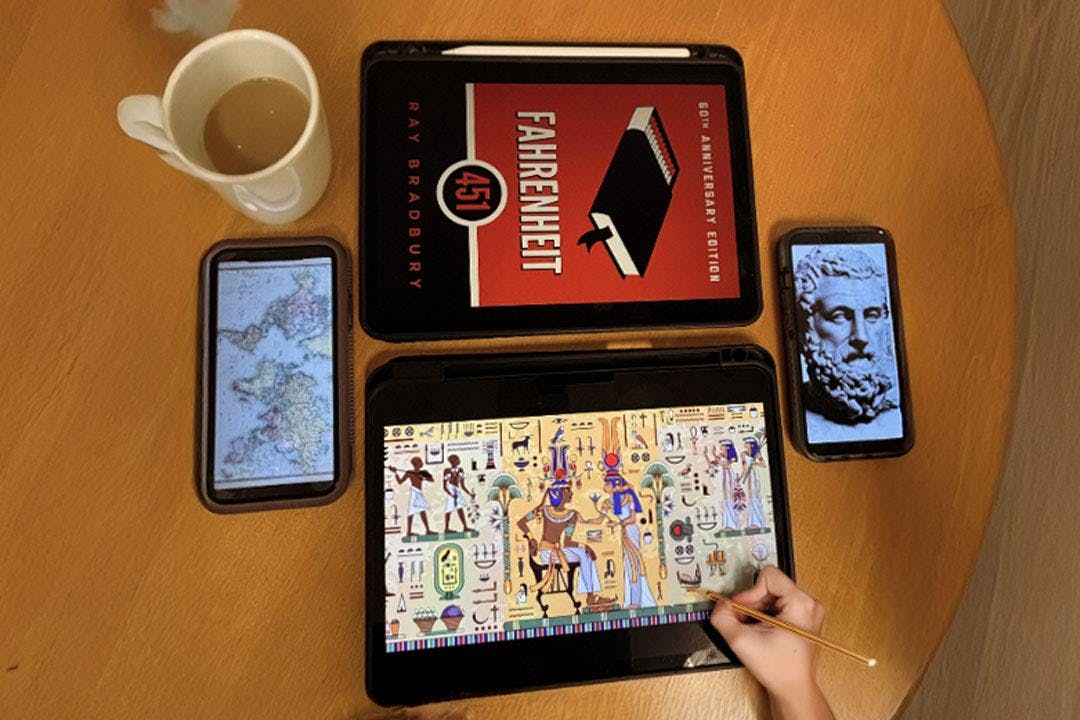
The 25-year relationship between Princeton and fossil fuel giant BP ended just after the start of the academic year. Budget cuts took a toll on free food, merchandise, and events in addition to research and student employment. Generative AI use became increasingly common, forcing professors across disciplines to adapt. Major changes were made to campus dining through the elimination of the independent meal option, eliciting opposition from alumni and eating clubs.

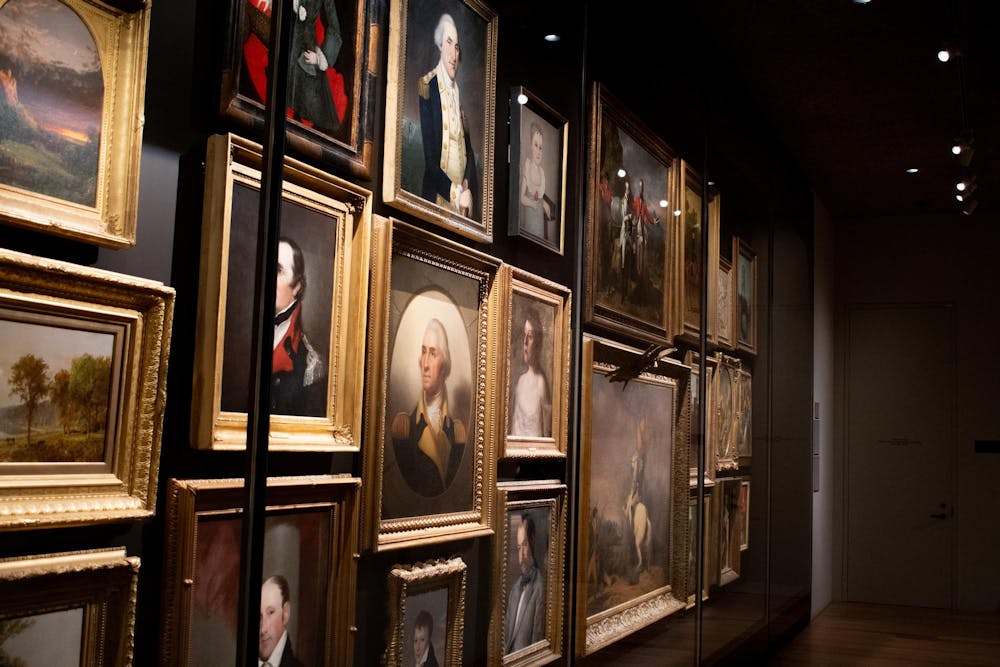
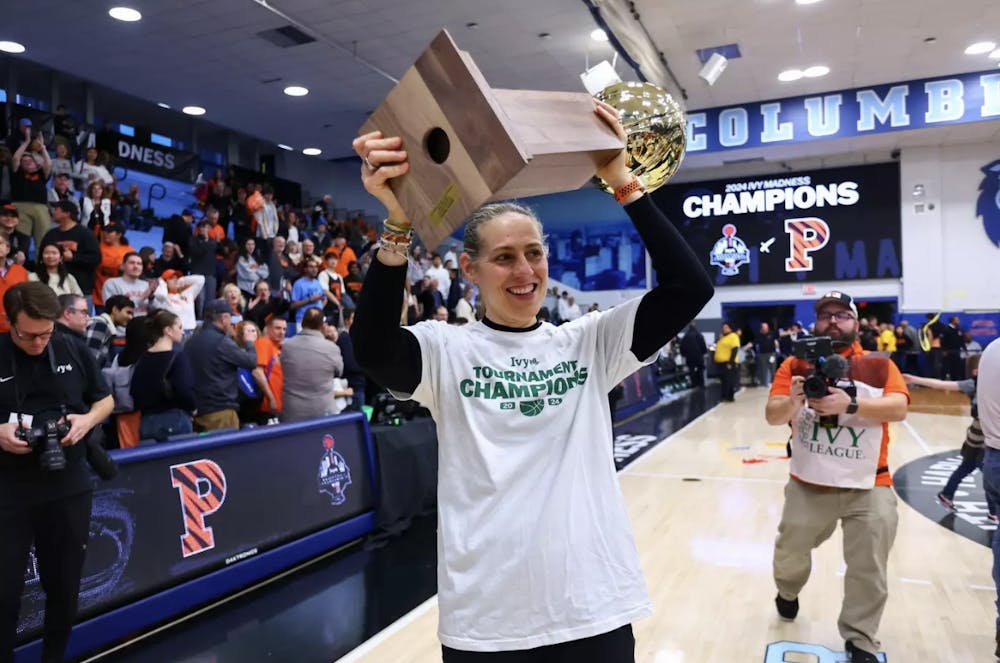
Graduate student cohort sizes were reduced, the new Princeton University Art Museum opened to the public, and the University cut employee benefits and reduced the amount employees would receive in raises. Women’s basketball coach Carla Berube left for Northwestern after six successful seasons.

The Class of 2026 leaves behind a Princeton still metamorphosizing. In the coming years, Hobson College will open, funding cuts will continue to affect research, exams will begin to be proctored, students will be less able to cook for themselves, and Princeton will change course from “growth” to “focus.” Perhaps Princeton will continue to improve for future generations — or perhaps the Class of 2026, Princeton’s largest ever, had it all.

Endowment tax opinion
Princeton financial aid boost
AI humanities teaching
Dining plan opposition
Princeton University Art Museum
Carla Berube era Princeton

Congratulations to
the GREAT Class of 2026!

Graduate
Students

Graduate Students.

Princeton’s doctoral and graduate students were an integral part of the University community throughout the Class of 2026’s four years — and central to the research that federal funding cuts put at risk. Among the most significant moments for the graduate community: the September 2025 release of Elizabeth Tsurkov, a Princeton doctoral candidate in politics and international affairs who had been held captive by Kata’ib Hezbollah for more than two years.

Elizabeth Tsurkov

In
Memoriam

In Memoriam.

We remember members of the Princeton community who passed away during the Class of 2026’s four years at the University.

Lauren Blackburn '26

CREDITS

WEB DEVELOPMENT

John Wu ’28

Cole Ramer ’28

PRINT DESIGN

Albert Rho ’29

Jamie Creasi ’28


Web design inspired by the Commencement Issue of 2025